
A ₹20 Note Was Recovered. Why Did the Conviction Still Collapse?

Host NAVYA presenting the verified Story 002 legal explainer
Divya, NowShout’s visual host, presenting an editorial illustration; not a participant in the reported case.
Editorial illustration featuring Divya, NowShout’s visual host. Not documentary evidence.

A ₹20 Note Was Recovered. Why Did the Conviction Still Collapse?

A marked ₹20 note, two convictions and one foundational evidentiary question before the Supreme Court.

Case at a Glance

A prosecution concerning an income certificate and an alleged ₹120 demand resulted in convictions before the trial court. The Gujarat High Court maintained those convictions. On 19 August 2026, the Supreme Court set them aside and acquitted both appellants.

What Happened

According to the prosecution case, money was allegedly demanded in connection with an income certificate. NAVYA refers to the two appellants only as A1 and A2 and to the complainant as the certificate applicant.

Investigation and Key Evidence

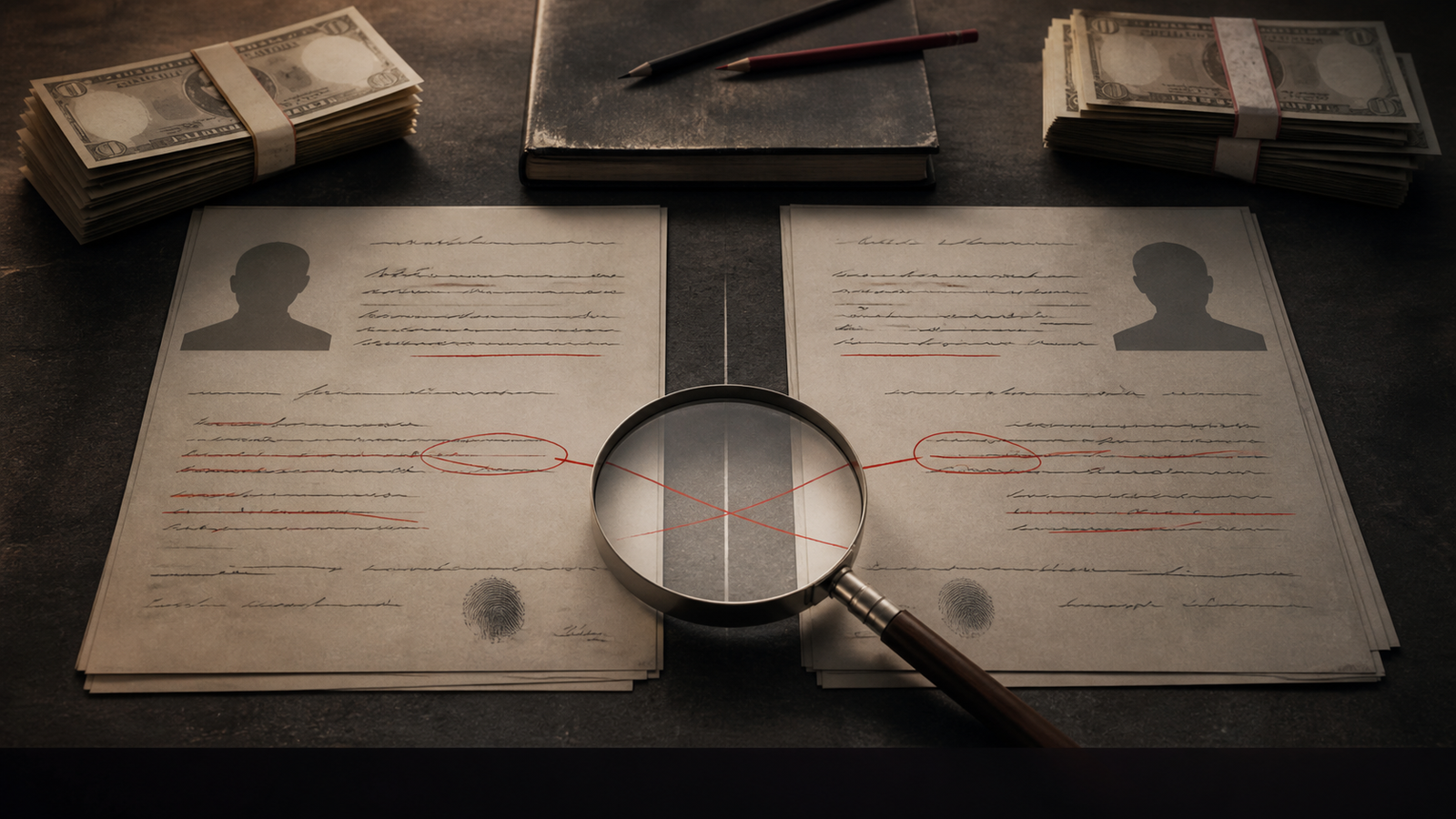
A ₹20 note was recovered during the trap proceedings. The decisive question, however, was not recovery alone. The Supreme Court examined whether the prosecution had first proved the alleged demand beyond reasonable doubt.

The Court found material inconsistencies in the accounts concerning the alleged demand. It held that possession of the ₹20 note could not, by itself, replace proof of that foundational element.

Court Proceedings

The trial court convicted both accused under the Prevention of Corruption Act. The Gujarat High Court maintained the convictions on 22 January 2015, after which the appellants approached the Supreme Court.

What the Supreme Court Found

The Supreme Court concluded that the alleged demand had not been proved beyond reasonable doubt. It also found a defect in the sanction concerning A1, but the acquittal did not rest on that issue alone.

Latest Verified Outcome

The Supreme Court allowed the appeals, set aside the convictions and acquitted both appellants. This means the prosecution failed to meet the criminal standard of proof; it should not be presented as though the original allegation remained proved.

This article uses anonymised labels and illustrative reconstruction. It is an educational legal explainer, not legal advice.

Case timeline

  1. The trial court convicted A1 and A2.
  2. The Gujarat High Court maintained the convictions.
  3. The Supreme Court set aside the convictions and acquitted both appellants.

Latest verified outcome

The Supreme Court set aside the convictions and acquitted both appellants.

Legal status: Official judgment 2026 INSC 890; no later public review or curative order was located in the official-source recheck recorded through 1 September 2026.

Watch the NAVYA story

Sources

Visual evidence guide
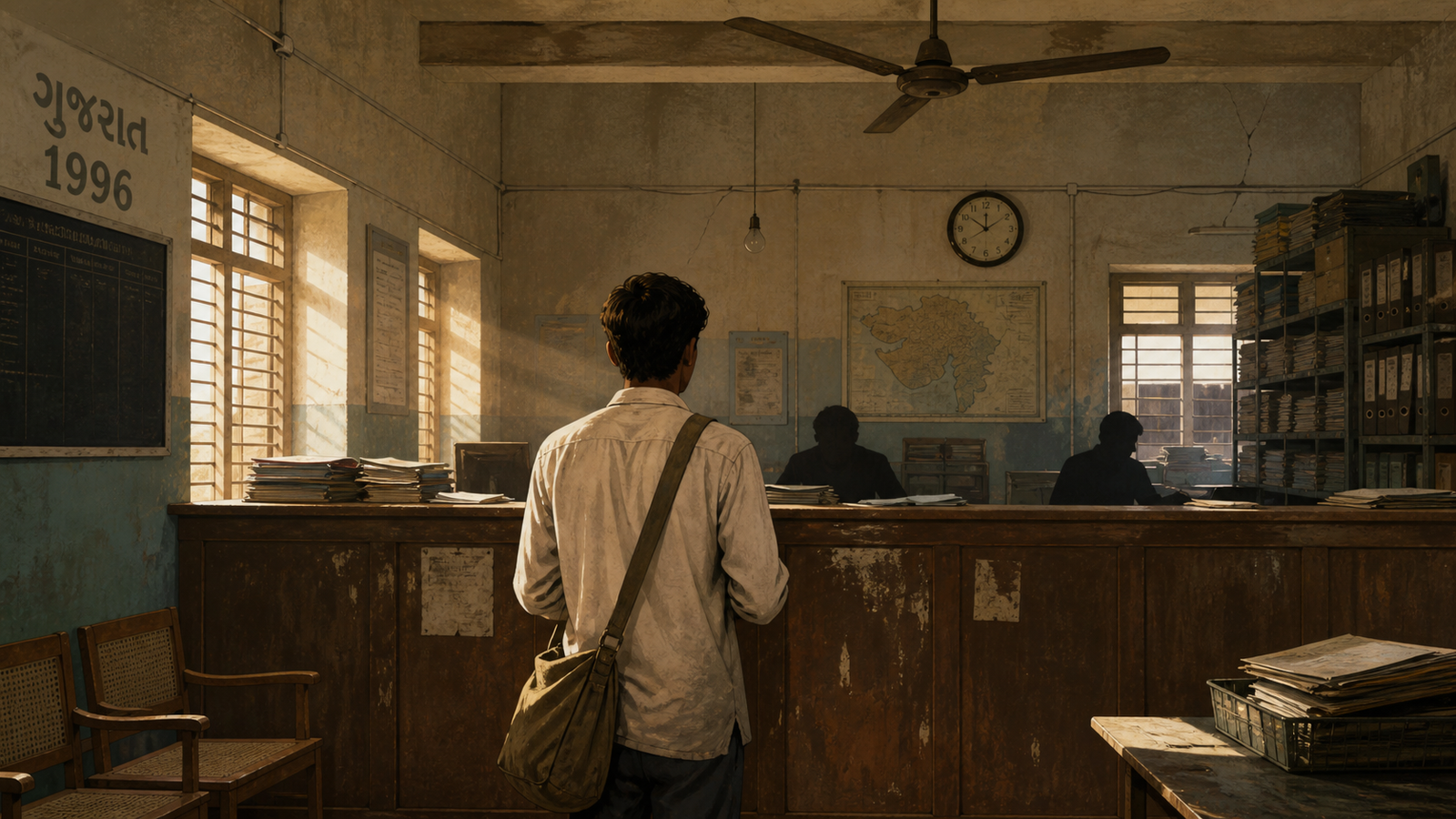
Illustrative revenue-office setting for the income-certificate application
Illustrative reconstruction: the certificate application context.
Illustrated chronology from trial conviction through the Supreme Court acquittal
Court chronology based on the verified judgment.
Illustrative comparison of inconsistent accounts concerning the alleged demand
The Court examined inconsistencies in the evidence concerning demand.
Illustrative scales distinguishing recovery of money from proof of an alleged demand
Recovery could not substitute for proof of the alleged demand.
Legally neutral illustration of the Supreme Court acquittal outcome
Latest verified outcome: the convictions were set aside and both appellants were acquitted.

The Passenger Who Never Boarded — A NAVYA Mystery

NAVYA host presenting the fictional railway mystery
Divya, NowShout’s visual host, presenting an editorial illustration; not a participant in the reported case.
Editorial illustration featuring Divya, NowShout’s visual host. Not documentary evidence.

The Passenger Who Never Boarded — A NAVYA Mystery

Can you solve the fictional mystery before NAVYA reveals the manipulated image?

Fiction disclosure: This is an original fictional NAVYA mystery. Every person, place and event is invented.

The impossible photograph

A woman appeared in every station photograph, although no camera showed her boarding the train.

The clues

  • Her pose was identical in every image.
  • A rectangular pixel edge surrounded her shoulder.
  • The advertising log recorded a private eleven-second insertion.
  • The glass reflected every real passenger except her.

The solution

{‘critical_clues’: [‘same_pose’, ‘pixel_edge’, ‘screen_cycle’, ‘no_reflection’, ‘camera_angle’, ‘file_date’, ‘admin_login’], ‘culprit’: ‘the fictional campaign photographer’, ‘mechanism’: ‘inserted an old portrait into synchronized advertising screens before taking each photograph’}

Case timeline

  1. The station photographs are examined

Latest verified outcome

Fictional solution logic verified by NAVYA QC.

Legal status: Original fiction; not a real case and not legal advice.

Sources